What APC 2026 Revealed About Procurement’s Expanding Role
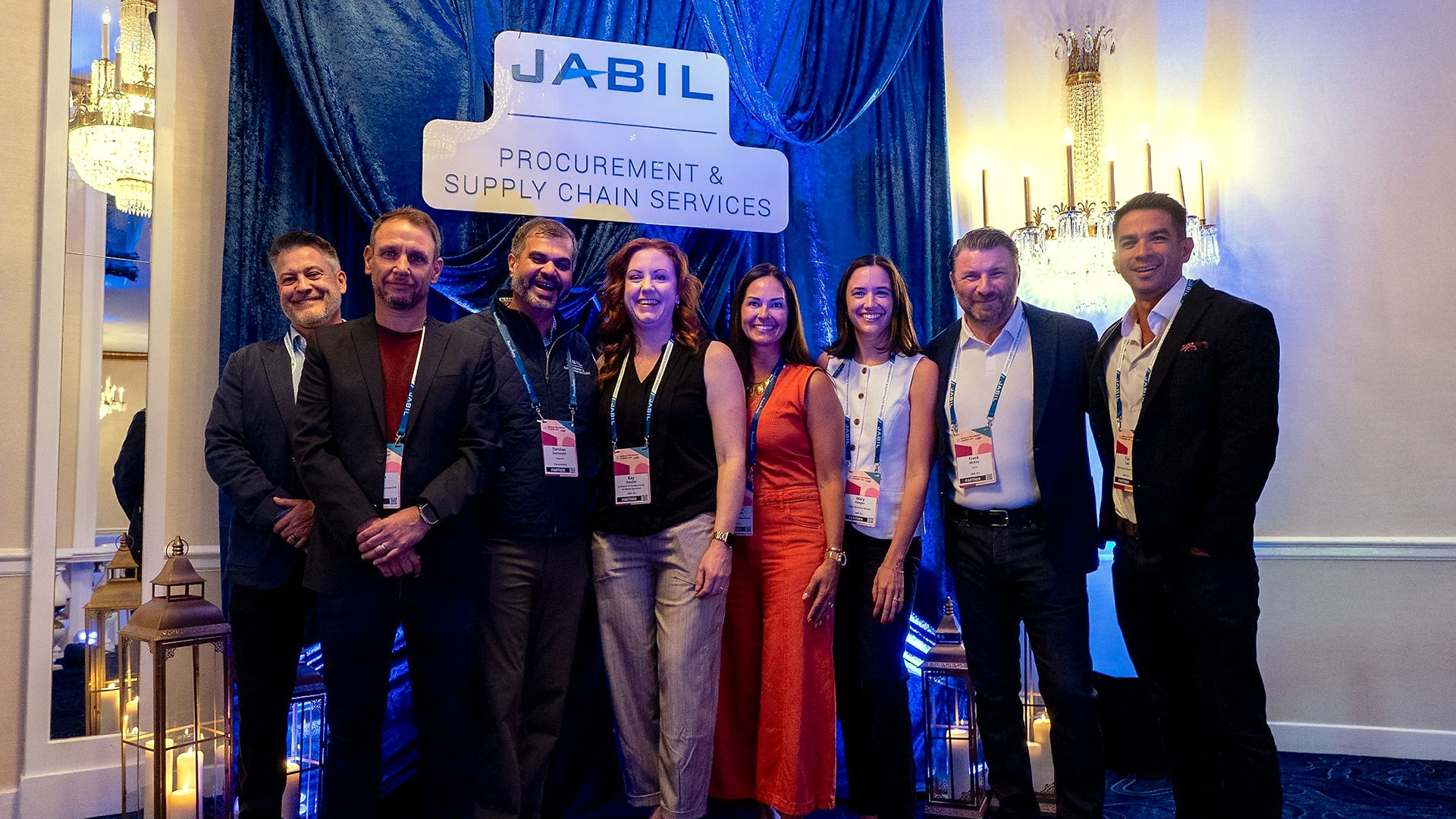
April 8, 2026 | By Jeff Austin, VP of Jabil Procurement & Supply Chain Services
At this year’s Americas Procurement Congress, one message came through clearly: procurement’s role is expanding faster than many operating models were designed to support.
Across sessions on AI, resilience, talent, and transformation, the conversation kept returning to the same idea. Procurement is no longer being measured only by what it saves. It is increasingly being judged by how well it helps the business adapt, respond, and create value under pressure.
That shift shaped Jabil’s own session at the event, From Cost Center to Value Creator: How Procurement Drives Enterprise Impact. But it also reflected the broader tone of APC 2026. The agenda made room for cost, of course, but it framed the future of procurement more broadly: around growth, resilience, technology, leadership, and enterprise performance.
For me, that was the clearest takeaway from the event: being asked to play a broader, more connected role in business performance.
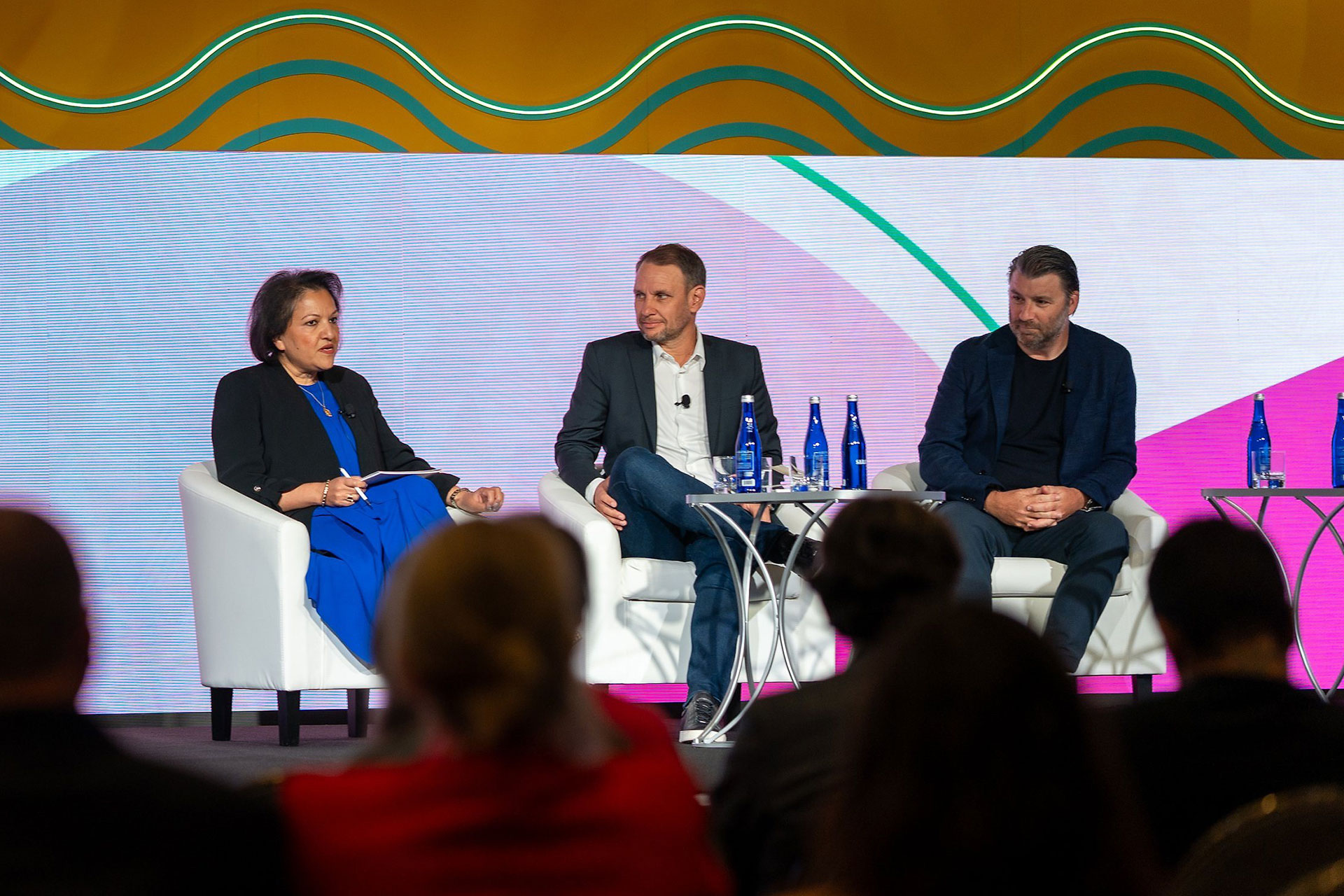
Graham Scott, Chief Procurement Officer and Frank Mckay, Chief Supply Chain Officer, speak on stage at Americas Procurement Congress.
Key Takeaway #1: Procurement’s Mandate Is Getting Broader

At APC 2026, one of the clearest themes was that procurement is being asked to operate with a broader mandate than it had even a few years ago. The language across the event consistently moved beyond traditional cost management into transformation, growth, resilience, and enterprise impact. That shift was also visible in attendee conversations, which centered on issues like outsourcing, material management, risk visibility, and change management. Procurement leaders are no longer being asked only to control spend. They are increasingly expected to help the business navigate volatility, support continuity, and contribute to competitive advantage.
That broader mandate requires a broader operating model. Procurement has to be closer to the business, more connected to risk, and more fluent in the pressures shaping decisions across the enterprise. The functions creating the most value are not waiting to be brought in after priorities are set. They are helping shape those priorities early, using market insight, supplier intelligence, and cross-functional alignment to influence better decisions. That is how procurement moves from a cost center to a true value creator.
Key Takeaway #2: AI Has Moved Past Experimentation

AI was a major focus at APC 2026, but what stood out was how much the conversation has matured. This was not framed as a future possibility or a technology trend to watch. It was discussed as an active design question for procurement leaders today, from agentic AI and decision-grade intelligence to the balance between automation and human judgment. Just as importantly, conversations throughout the event showed that leaders are now asking how AI agents can fit into current workflows and accelerate value in practical ways.
That is an important distinction, because the real challenge is no longer access to AI. It is disciplined application. Speed is useful, but only if it improves the quality of decisions and helps teams act with greater confidence. Procurement leaders will need to define where AI supports judgment, where human oversight remains essential, and how governance keeps pace with adoption. The winners will not be the teams that automate the most. They will be the ones that apply AI in ways that improve outcomes, strengthen trust, and make the function more effective under pressure.
Key Takeaway #3: Resilience Is No Longer a Defensive Concept
Another major theme at APC 2026 was resilience, but not as a narrow response to disruption. Across sessions on global sourcing, risk mitigation, contract intelligence, and geopolitical uncertainty, resilience was positioned as part of a much broader value equation. It was discussed not simply as a way to avoid failure, but as a way to protect continuity, improve risk visibility, preserve flexibility, and support stronger business performance in a less predictable environment.
Resilience is not separate from performance. It is part of how performance is protected.
That framing is exactly right. Resilience should not sit apart from performance; it should be embedded within it. That broader view of resilience is already influencing decisions across procurement and supply chain. You can see it in how leaders are rethinking inventory, liquidity, and supply assurance when fuel volatility or transport disruption changes the economics of the network. When procurement builds better visibility, stronger sourcing options, and more deliberate operating choices, it is doing more than reducing risk. It is protecting margin, service, and the organization’s ability to respond when conditions shift.
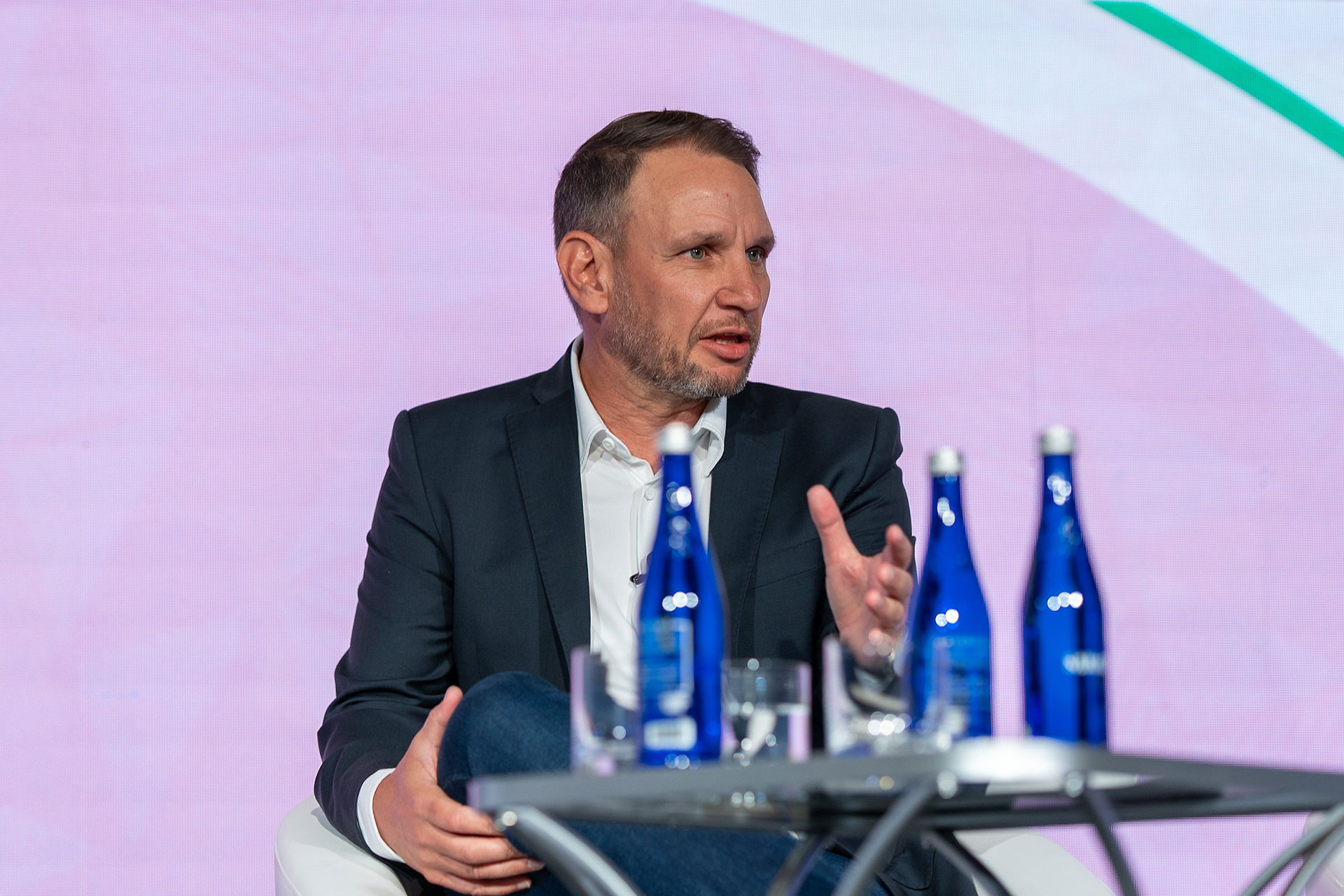
Graham Scott, Chief Procurement Officer speaking at Americas Procurement Congress.
Key Takeaway #4: Leadership, Talent, and Alignment May Be the Real Differentiator
For all the attention given to AI and resilience, APC also spent a great deal of time on leadership, talent, and executive alignment. There were multiple sessions on leadership transformation, executive buy-in, workforce evolution, and the future talent blueprint for procurement. That was a useful reminder that procurement transformation is not just a technology story. It is an organizational one.
That is where many transformations will either gain traction or stall out. Procurement cannot expand its influence if its people are not equipped to think more strategically, communicate across functions, and connect procurement decisions to broader business goals. The next wave of high-performing teams will be defined less by the size of their tech stack and more by their ability to translate complexity into action. In the end, leadership and alignment are what turn capability into impact.
In the end, leadership and alignment are what turn capability into impact.
A Final Reflection from APC 2026
If APC 2026 made one thing clear, it is that procurement leaders are being asked to operate with a wider lens. The function is still responsible for cost and discipline, but it is also being called on to shape resilience, accelerate smarter decisions, support growth, and deliver greater enterprise impact.
That is a meaningful shift, and it is a demanding one. But it is also a significant opportunity.
For procurement leaders, the path forward is not about trying to do everything at once. It is about building the capabilities, partnerships, and decision models that allow the function to create value more consistently across the business. That was one of the clearest signals from APC, and it is one that will continue to shape how leading organizations define the future of procurement.
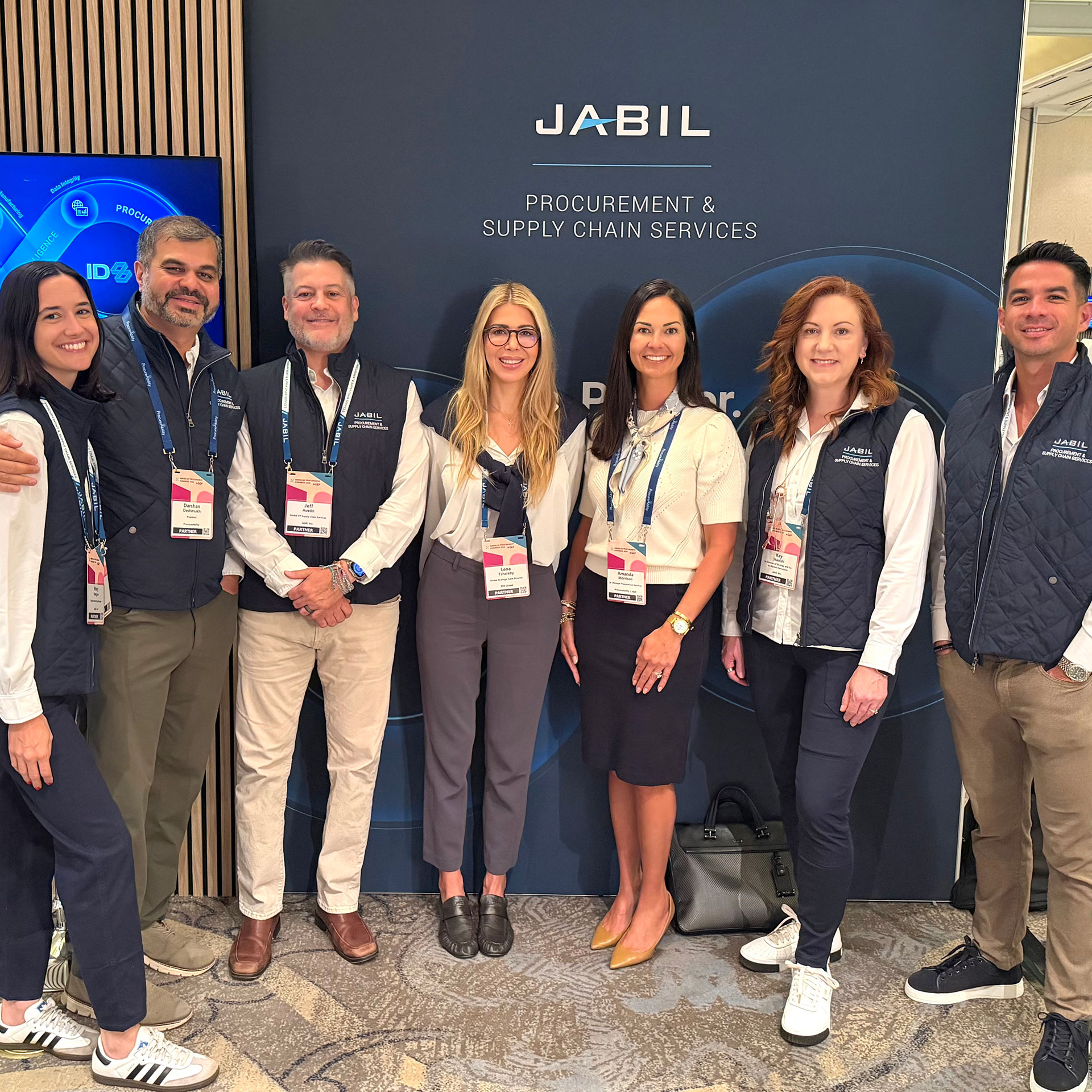
Partnering with Jabil
For organizations navigating a broader procurement mandate, from cost and continuity to resilience, AI adoption, and enterprise alignment, repeatable performance requires more than point solutions. It requires an operating partner with proven scale and the ability to connect strategy to execution.
Jabil brings 60+ years of practitioner experience managing complex global supply chains for 400+ leading brands, supported by 100+ locations across 25+ countries and 38,000+ supplier relationships.
From targeted advisory and assessments to managed services, logistics execution, and data-informed market intelligence, we help leaders turn procurement priorities into coordinated action across the enterprise.
To explore how Jabil can support stronger procurement performance and broader business impact, connect with our team.